Are Current EU C&D Waste Recycling Targets an Obstacle to Growth? – Waste Management World

Peter Craven Waste Management World

Article on the Waste Management World website

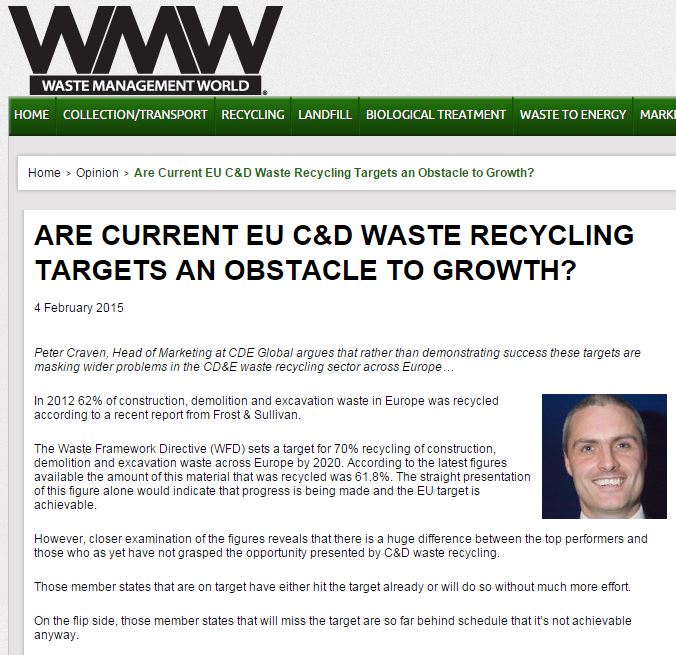
I recently wrote an article about the current EU targets that exist for the recycling of construction, demolition and excavation waste and whether they are structured in a way which encourages innovation and improves performance.

The article has featured in a number of publications and one of these is the Waste Management World publication – you can read the article on the Waste Management World website below.

Are Current EU C&D Waste Recycling Targets an Obstacle to Growth? – Waste Management World.

The article asks a number of questions:

Does a ‘one size fits all’ approach work in relation to targeting improvements in the volumes of construction and demolition waste that is recycled?

Are the targets focused in the right area? Will they drive efficiency, protect the environment and encourage innovation?

Have a read of the article and let me know what you think.

Viral isn’t a valuable endgame

It seems that everyone is searching for the silver bullet that will allow them to create viral campaigns at will. I think this is a problem.

The endless focus on viral and how it can be achieved suggests to me that there is a misconception that a viral campaign is the single key performance indicator that matters. The suggestion here is that viral automatically equals success. While there is no doubt that this is the case in some instances I think there are more than enough examples of viral campaigns that simply haven’t worked – they haven’t delivered any significant business result.

I’ll illustrate this by looking at examples of 2 viral campaigns – both of which would have been described as successful if the only measure was whether they achieved the ‘viral’ badge of honour.

One of the best examples of a successful viral campaign is the ongoing campaign run by Blendtec to promote the blenders that they produce. This is one of the most often quoted examples of successful viral campaigns and it’s easy to see why. They didn’t just create one video that went viral – they’ve managed to sustain their success over a reasonably long period of time (digital years, as we all know are like dog years in fast forward).

Their video showing the blending of an iPad using a Blendtec blender has to date had almost 17 ½ million views on their Youtube channel. The iPhone in the blender has had 12 ¼ million views. Other products that have had the Blendtec treatment include golf balls, crowbars, magnets and marbles.

You can watch all of the Blendtec videos on their Youtube channel – https://www.youtube.com/user/Blendtec

So why did it work?

The Blendtec story has so many factors that made it successful – the first video that went viral was simply the delivery mechanism for the campaign.

First of all, they have a great product – the rationale for putting all this weird and wonderful stuff through a blender was to demonstrate the strength of the blender. If it can blend an iPad or a golf ball it’s going to have no problem making your breakfast smoothie. So the campaign had a clear purpose – demonstrate one of the key unique selling points of the product.

Secondly, it’s a mass market product. Achieving almost 30 million views for the iPad and iPhone videos is a step in the right direction for Blendtec in making their product more well known and more desirable. The potential for people to decide to buy a Blendtec blender is almost beyond comprehension – it’s not inconceivable that every home in the world could have a Blendtec blender.

The key thing that determines whether the Blendtec campaign was a success is the difference it made to their sales numbers. The results here are astounding – in 2009 it was reported that after the first 186 videos sales were up 700%.

All of this was possible because the campaign had a clear purpose and a solid business behind it.

You can read a case study of the Blendtec story at http://www.socialens.com/wp-content/uploads/2009/04/20090127_case_blendtec11.pdf

This is a viral campaign that worked – not because it went viral but because it delivered a significant business result.

Equally, there are mass market brands that try and run viral campaigns that aren’t as successful. One of the best to illustrate the point that viral alone doesn’t mean success was done by Kodak back in 2007.

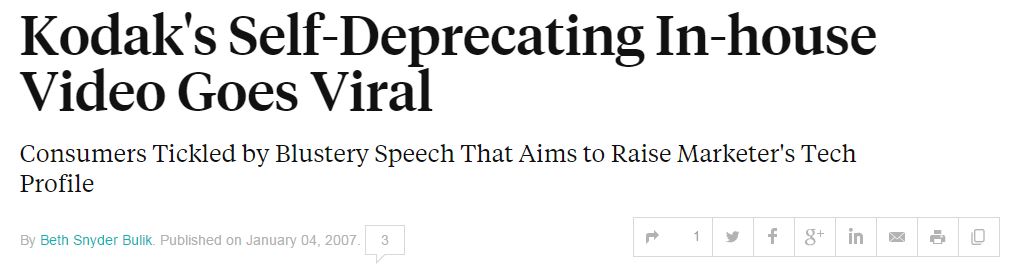
In the absence of the video you can read an online article detailing the success of the campaign at http://adage.com/article/digital/kodak-s-deprecating-house-video-viral/114076/

Kodak viral video

Headline from a Adage article on the famous Kodak viral campaign

This video sought to address the perception that Kodak was a tired old brand that had been left behind by the digital photography boom. They had failed to spot the changing demands of their customers and they tackled this issue head on with the launch of a video which was very self deprecating – admitting all the mistakes of the past and recent present but promising that it was all about to change.

Personally, this was one of the best videos that I ever watched online – but despite numerous searches it’s just not available any more. Why? Because in 2009 the company went out of business.

While the campaign achieved the objective of going viral it didn’t make one blind bit of difference to the prospects for the company. Why? Because viral isn’t a healthy objective to have for any campaign.

The Kodak campaign was destined to fail because it had no purpose other than going viral, no substance to back up the claims they made in their video. They may have talked about embracing the digital revolution and to watch out for all the new technology that they were about to unleash on the market. But the fact was that they didn’t have any of this. It was an elaborate cover story to try and buy some time.

I bet when the Kodak video went viral the agency involved and the Kodak marketing team were busy patting themselves on the back about what a wonderful job they had just done. For them, the viral video was evidence of success. The proof that this has no foundation is what happened to Kodak in 2009 when they closed their doors.

I think these two campaigns represent the 2 extremes of viral campaigns.

Blendtec is a great sales, marketing and product development story that demonstrates the value in understanding your customers, understanding your product and having a clear objective for your campaigns.

Kodak is an example of viral for the sake of viral. That’s as much substance as there was. Was it clever? Yes. Was it funny? Yes. Did it reach a massive audience? Yes. Did it work? No.

What this says for me in that in the midst of this technological age success in sales, marketing and business in general is still down to a few good old fashioned things:

A great product, in the right market, at the right price, delivered through the best sales channel with superior customer support and  a great sales team.

Get these basics right and your success will be long term and tangible rather than a flash in the pan viral campaign.

I’m reminded here of a previous post on this blog, the title of which seems very relevant. Consistency is far better than rare moments of greatness.


Create your own images for free

There are numerous online image creation tools available but the one I’m using most the minute is Canva.

There are so many templates available for you to use so whether you’re looking for a simple facebook or twitter header profile, business cards, posters or infographics they have made it so easy to use.

canva design templates

Just some of the free image templates available on Canva

The process is really simple – you select from a range of design templates and then customise it with your own text and images. As a starter the free templates offer more than enough scope for you to explore the capability of the system.

There is of course a library of premium themes which you can access – I haven’t found any need to use these yet but they do offer expanded libraries of design templates and more flexibility when it comes to layouts.

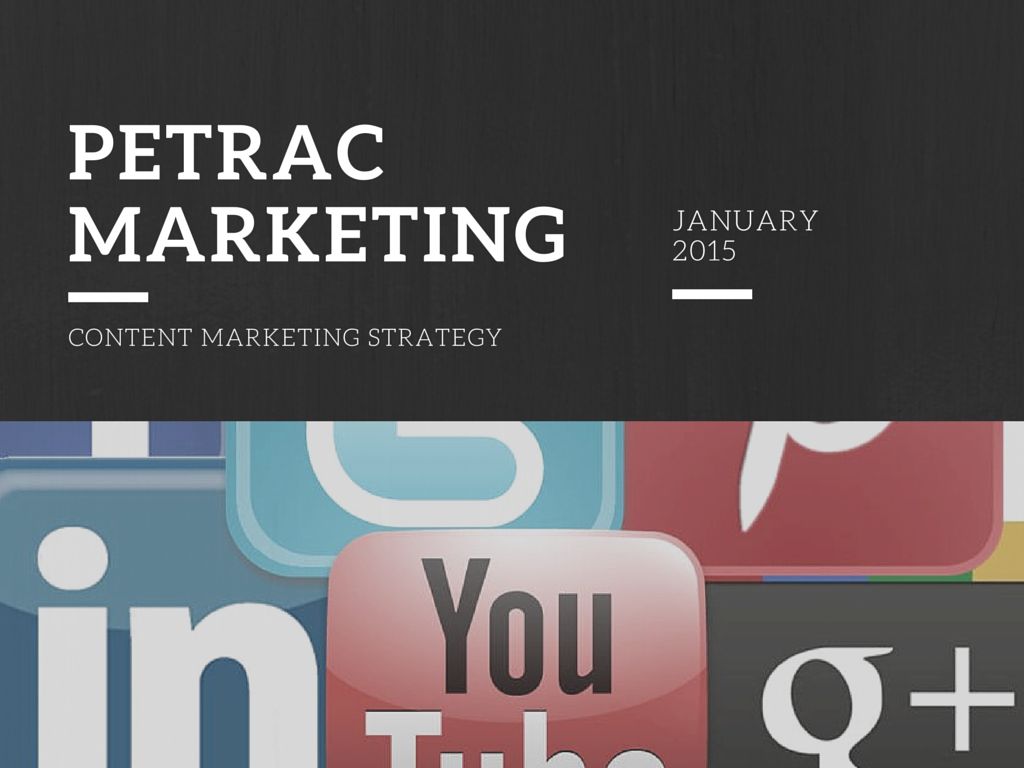
As well as all the social media images you can create I also use the tool to help create images for sales presentations to existing and potential clients. The image sizes are designed to fit with Powerpoint / Keynote and are really quick and easy to create.

Presentation powerpoint image Canva

Presentation image created using Canva

For beginners on the system there is a Canva Design School  which contains a library of tutorials on how to use the system.

Canva design school create images for free

The Canva design school tutorials

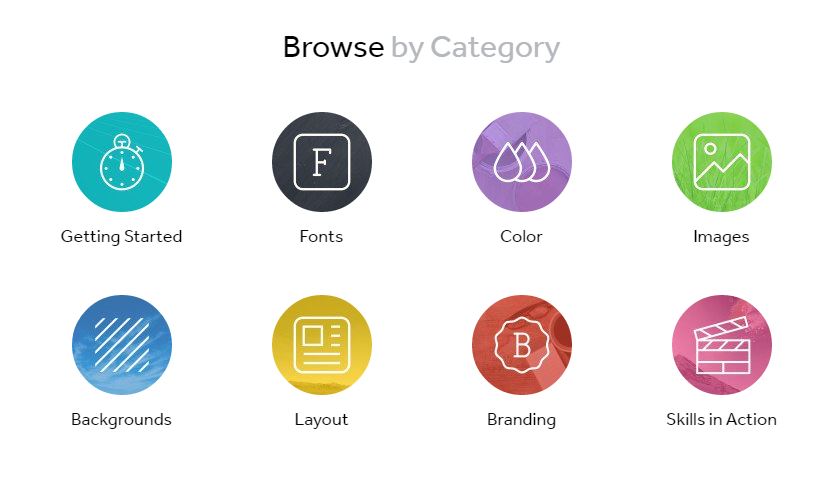
You can also browse the design school by category to find help with the specific project that you’re working on.

Canva Design school categories

Browse by category on the Canva Design School

Once you’ve created your free images you can either keep them private or share them to show others the designs you have created. Even if you want to keep your own images private you can search the Canva Stream to see the most recently published images. This is a great resource for finding out how you could use the system for yourself.

Canva design stream create your own free images

Canva design stream shows the most recently created images

If you’d like any help discovering how you can use Canva to benefit your business then get in touch:

Go back

Your message has been sent

Warning
Warning
Warning
Warning

Warning.


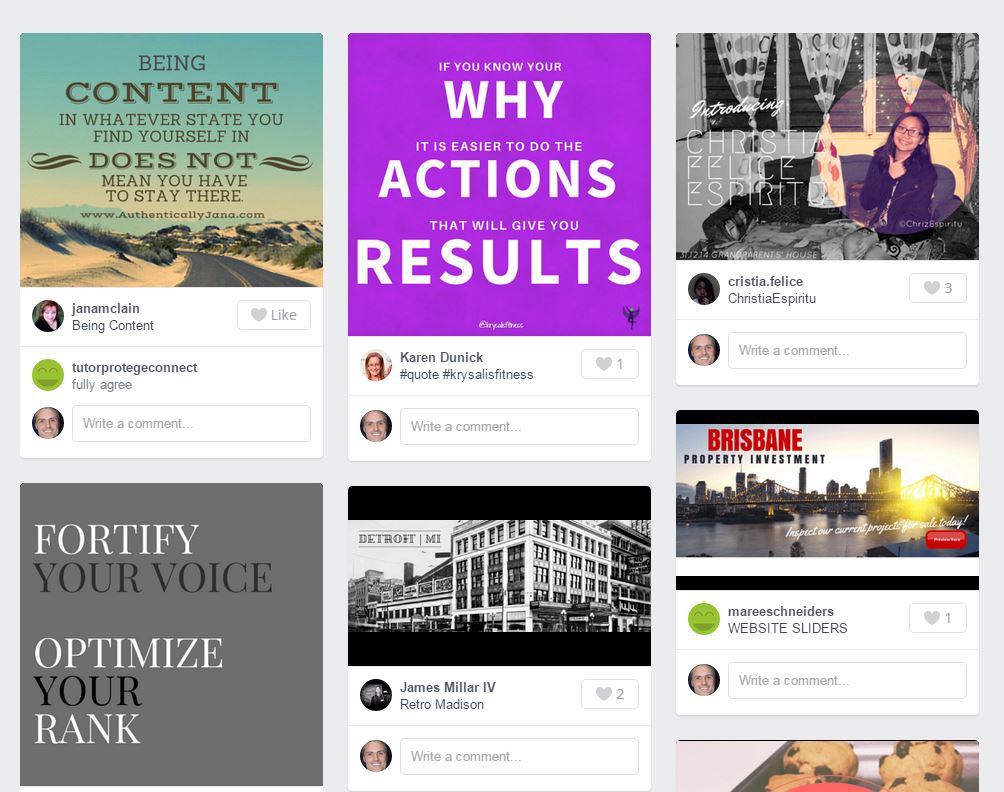
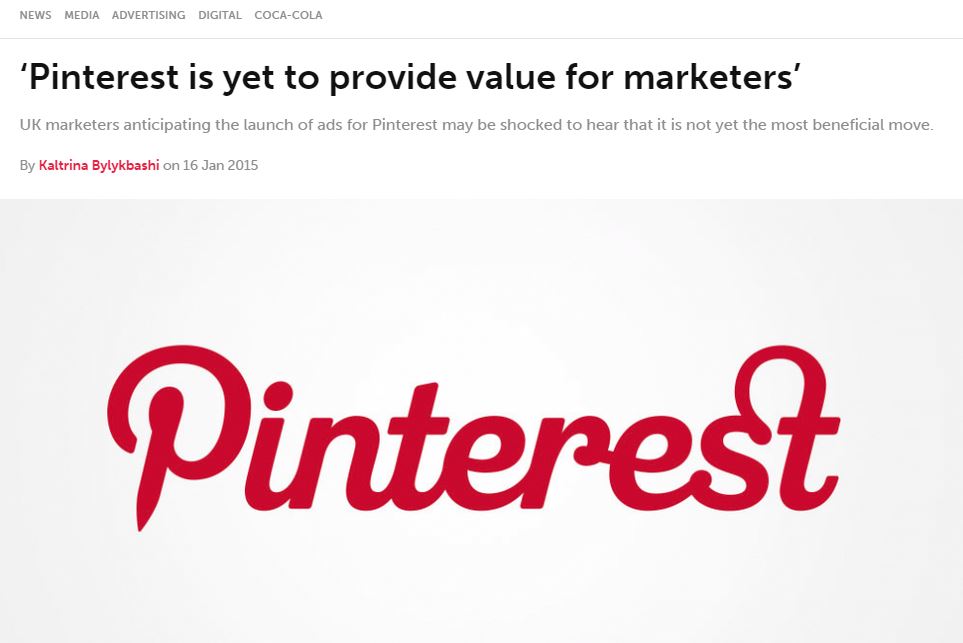
Pinterest ‘failing to add value for brands’

pinterest fails to add value for brands

Pinterest ‘failing to add value for brands’ according to a report from Forrester

I came across an interesting post on the Marketing Week website(UK) recently in relation to the ‘Promoted Pins’ feature on social networking site, Pinterest. The article revealed that a report from Forrester indicated that the majority of brands that are using the Pinterest ad platform are struggling to get any value from it.

The Promoted Pins feature is soon to arrive in the UK market and I am sure that agencies up and down the country will be rushing to spend their client’s hard earned cash on this shiny new platform.

The article is – in my humble opinion – an indication of a wider problem with the choice of the best social networks to use for advertising. Rather than take the report from Forrester as an indication that Pinterest is of no value to advertisers I think that the problem actually lies with the advertisers themselves putting the technology first rather than their own individual business requirements.

This is not a phenomenon that is exclusive to Pinterest – I think every social media platform is having millions of pounds / dollars / euros wasted on it every day. It’s not because there is no value to be gained from advertising on these platforms – but because the wrong people are advertising.

As soon as the latest trendy social media platform becomes open for advertisers it seems that companies are flocking to their doors to spend their hard earned cash. The problem is that these decisions to advertise on Pinterest and other platforms seem to be based on the fact that Pinterest is the latest hot social media property rather than any meaningful research that suggests Pinterest will represent a good return on investment.

By asking a few simple questions before jumping on the latest social media platform you can eliminate this problem and make sure that you get the best bang for your buck:

  1. Understand the demographics of the users of the social media network – what is the user profile and what are they looking for when they are there?
  2. Understand whether this demographic matches your target audience – all you’ve done at this stage is identify a potential advertising platform. There is still work to do before you can make an informed decision.
  3. Understand why your customers are using the social media network – if you’re selling in a B2B environment be careful. Just because your customers may use the network doesn’t mean that they are in buying mode when they are there. It may be a social thing where they keep in touch with friends and they may not be open to be sold to.
  4. Do your research – find out some case studies for how other people are successfully using the social media network and use this to inform your decisions about how you can design a campaign that will make you money.

Once you’ve done all of this you can be much more comfortable with your decision to advertise. There is no doubt that this process will mean that on some occasions your decision will be not to advertise on the latest trendy offering that social media world has to offer. And that’s OK. Especially when you’re reporting on the return that your advertising revenue is generating.

Read the full Pinterest article on the Marketing Week website – Pinterest failing to add value for brands

(You’ll need to register – which is free – in order to read the article).

If you would like some help building your social media or content marketing strategy then get in touch:

Go back

Your message has been sent

Warning
Warning
Warning
Warning

Warning.

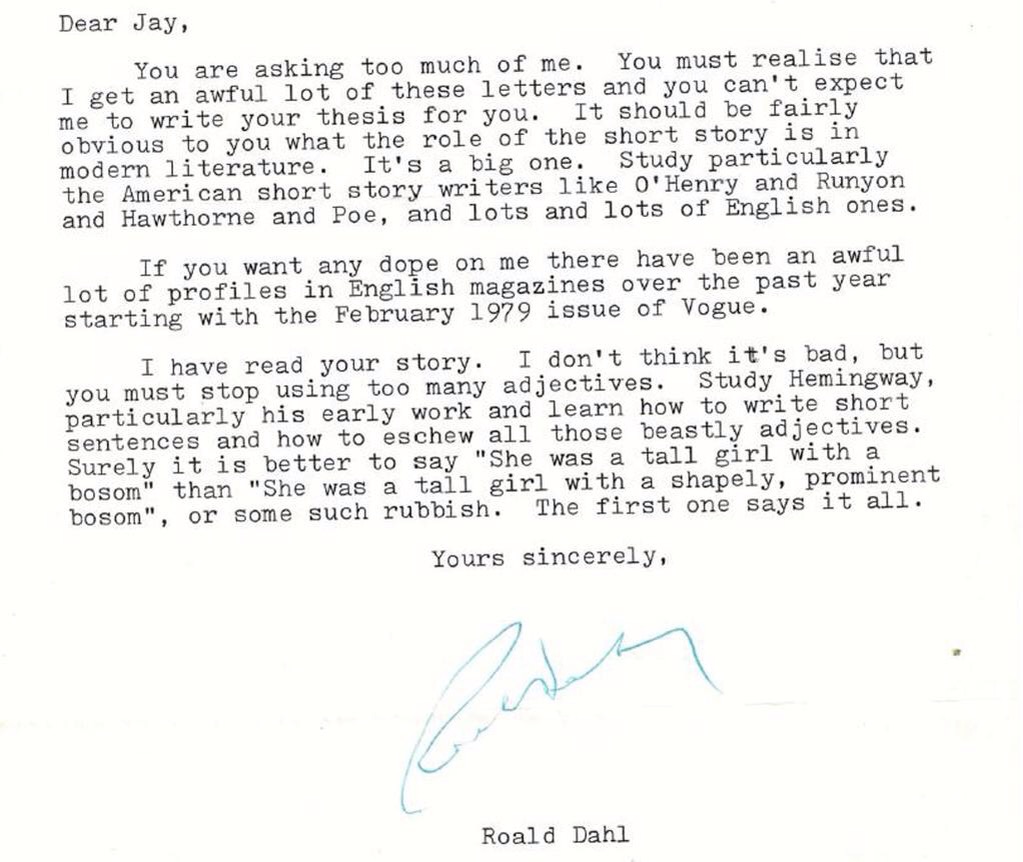
Some great advice from none other than Roald Dahl

I came across this little gem on Twitter recently. Jay Williams wrote to Roald Dahl in 1980 asking for some advice on a short story he had written. The response from Roald Dahl is blunt – but gives some great advice on how to write better stories.

IMG_4866

The success of your video depends on your script

writing case studies belfast

Get your video script right to maximise the success of your videos

YouTube – The 2nd most popular search engine in the world.

Whatever you’re selling, whatever you’re looking for its the first port of call.

The rise in the significance of video in the modern marketing mix has been nothing short of astonishing. It reaches across almost all sectors and products – it’s firmly established as part of the online research process.

No matter what you’re selling, where you’re selling it or who you’re selling it to I am pretty sure that there is a role for video in your marketing mix.

As for your customers – you know they’re on YouTube. Everyone is. So if you’re not producing video then get to it.

You don’t need big production budgets – the self service video edit packages have it all.

You don’t need expensive soundtracks – there is a mass of music out there and available for pennies.

You do however need a good script. For far too many people this is the end point – it should be the starting point.

Does this process sound familiar:

  1. Start writing your story based on the message you want to get across.
  2. Realise it’s far too long – but can’t decide where the edits need to be.

As a general rule of thumb your video should be about 90 seconds long – and definitely no longer than 2 mins.

That means that you’re shooting for somewhere around 250 to 350 words for your script.

The only way you’ll achieve this is if your video has a specific purpose.

Most of the time it will require a good script writer to nail the message within the constraints you have. You’re too close – an outsider can extract the real hard hitting points that you want to get across.

The tone is particularly important with a video script – just because something reads well doesn’t mean it will work as a script.

Record it yourself on your phone and listen back. I have a very simple rule – if there’s anything on there that you’re not sure is 110% right then bin it and start over.

The end result – a video that’s half as long as the one you would have made yourself but has twice the impact.

If you would like to talk about how you can introduce video to your marketing mix or would like some help producing a script for your latest video project then get in touch.

Go back

Your message has been sent

Warning
Warning
Warning
Warning

Warning.

Why you should outsource your PR

peter craven blog petrac marketing

PR is an essential part of your marketing mix

PR has never been as important – Google has turned everyone into a researcher. Booking a holiday used to involve a 20 minute conversation with a travel agent. Not any more. People are now prepared to invest days of their own time building their own summer holiday through cheap airline sites in combination with Tripadvisor and other similar sites.

Whatever industry you’re in, whatever you’re selling, you can guarantee that at some point during the buying cycle your customer will spend a significant amount of time researching both on and offline. A well developed and executed PR strategy will help you maximise the opportunity that this offers.

Developing and executing a successful PR strategy requires substantial time and effort. Time and effort that I know from experience that marketing departments just don’t have enough of. Putting the content plan together at the start of the year is the easy bit – but how many of your releases either don’t get written at all or get cobbled together in a panic as a result of a last minute notice of an editorial deadline?

There are many reasons why outsourcing your PR makes sense and I have outlined some of these below:

1 – Maximise your return on investment

It will allow you to maximise the potential that the medium offers for getting your message out there by receiving free coverage in your target publications. Any investment you make in PR must take into account the equivalent cost of buying this space in trade magazines. The fact that an external PR partner will be focusing on this and this alone ensures a far better return on your investment than if you try and manage the process yourself.

2 – Creating targeted content with an increased potential for placement

Relationship building with editors and journalists is key to success – and once again I know from experience that while this is a great idea, most marketing departments just don’t have the time to do this properly. The result is a lot of guesswork about what material you should send to your target publications. By outsourcing your PR you can remove this guesswork from the equation – we understand what different editors are looking for in a story, what the editorial priorities are for specific magazines, what issues they struggle to gather regular content for. We can then use these insights to inform your editorial plan – maximising the potential for free coverage in your target publications.

3 – Better, deeper, more insightful content

We can get insights from within your organisation that you may struggle to uncover. Once we’ve identified the thought leaders within your organisation we can spend time with them to gather their thoughts on the relevant industry topics that are going to get us the most coverage. I know – from experience – that when you try and do this internally the regular meeting just gets pushed further and further back until you eventually just delete it from your outlook calendar. Not only is the meeting much more likely to happen when it’s being facilitated externally but with proper preparation and structure we can get much more valuable information from the meeting. Information which will provide content for several new items for your editorial calendar.

4 – Content Marketing in action

It’s your content marketing strategy in action. Producing all the content that your content marketing strategy requires is something that I bet you and your team just don’t have time to do. So leave it to us. We can work closely with you to make sure that it delivers all that you require in terms of coverage, increased web traffic, increased enquiry levels, increased downloads – whatever your specific goals are.

5 – Quality & quantity: the best of both worlds

The only way to be a really good writer is to write a lot – we do. Everyday. It’s not rocket science. The more you practice something the better you get at it. When you’re working within a marketing team you have so much going on that you just don’t have the time to write as much as we do. By outsourcing your PR you are investing in the quality of your press releases, news stories, white papers, case studies. This will lead to more coverage for your material – in an environment where layers of editorial oversight have been stripped away from the vast majority of publications they are crying out for copy that is sent to them ready for publication. By employing a professional copywriter to produce your content you will get better results from your PR activity.

If project case studies are important for you then we can help you make these have maximum impact. The key to good project case studies is understanding the key reasons why your customer bought from you in the first place and what benefits they have enjoyed since.

This is where it goes wrong for most companies producing their own material. All too often the case study turns into a description of the features and benefits of what you sell rather than a true project case study. We can get in front of your customers – because we have the time to do so. This results in is getting the insights necessary to allow us to produce a case study that your potential customers can relate to. And who knows – it may just uncover some additional sales opportunities with your existing customer that you just weren’t aware of.

It’s about your return on investment:

There’s a recurring theme here – the reason you should outsource your
PR is quite simply to get a better return on your investment.

If you would like some help developing your PR strategy or content plan and then executing a campaign that delivers for your business then get in touch:

Go back

Your message has been sent

Warning
Warning
Warning
Warning

Warning.

Build Your Content Calendar: 3 Easy Steps

As we enter a New Year I’m sure you’re all thinking about your content marketing calendar for 2015.

There is a great article on the Content Marketing Institute website from October 2013 that offers some great advice. (The article was originally published by Shanna Mallon).

The success of the article for me lies in how simple the process actually is. There are only 3 things that you need to do in order to get you started:

Understand your sales cycle – if there are seasonal variations in your business then set your distribution plan accordingly. Understand when your customers are likely to be looking for your products and make sure you have set a plan in place to distribute relevant information at the right time.

Brainstorm topics and align them to categories – what are the questions that your customers want answered? what problems are your customers having that they would like help solving? what content can you offer that proves that you will be the right choice to do this?

Set your content calendar – Now it’s just about putting the plan in place for what content you produce and when you produce it. The plan should also take account of how your customers like to consume information – technical articles, project case studies, videos, white papers, videos etc. A good content marketing plan will include a mix of all of these (and more) which is tailored to the specific requirements of your customers.

It’s that simple. So stop putting it off and just get started.

You can read the original article from Shanna Mallon at the link below:

Build Your Content Calendar: 3 Easy Steps.

If you would like some help building your content marketing plan or producing your targeted content then get in touch:

Go back

Your message has been sent

Warning
Warning
Warning
Warning

Warning.

6 web development misconceptions of CEO’s

website design pic

Your website project needs careful consideration

An recent article on the Entrepreneur website outlined 6 common misconceptions that CEO’s have about web development.

The article was written by Zach Ferres and while I agree with some of the points he makes there are some others that I think merit a little more discussion.

I think the article starts off on the right note:

Remember the last website project you were involved with – the one that went over budget and missed all the project deadlines that were agreed at the outset – was most likely your fault (by using the term ‘your’ I’m assuming that you were part of the marketing department that was in charge of leading the project within your organisation).

There is no doubt that most website projects are a lot more painful than they need to be. It really is very simple – and with some forward planning and a better understanding of what it is that you are trying to deliver you can avoid all of this pain.

One of the best lines I’ve ever read about web development projects came from a guy at a company called Fathom in Belfast – he said ‘It’s entirely possible for a website to be pretty and pretty awful at the same time.’

Why does this happen? Because too many web development projects are built around what we (the organisation) want to talk about rather than what our customers are actually looking for. I’ve written another post on this very subject called ‘Your website – for you or your customers?’

Anyway, back to the 6 misconceptions that CEO’s have about web development:

1 – Website development is easy

I agree with Zach Ferres here – those not directly involved in the project have very little appreciation for how long the ‘under the bonnet’ development work actually takes. Our role as project leaders for the web development project is to try and build this understanding – break down the project plan into the relevant phases that your development company has given you and highlight the time devoted to the development work.

This is difficult because most CEO’s, other board members and other people in your organisation are just dying to see the big reveal of your new home page design. They care very little about the journey planning element of the website architecture which is essential if the website is going to perform to maximum potential.

My advice – involve them in this stage. Get them involved in understanding who it is that is visiting the site and what they are trying to achieve when they get there. This will help to build an evidence based argument about what content should be on the site and where it should live.

2 – Everyone should be involved

In the original post Zach Ferres believes that the project should only be left to the people doing the work – I’m afraid I disagree. I’ve seen too many website projects fail because the project didn’t have the buy in of people across the organisation.

I believe it’s wrong to assume that only marketing will know what people are looking for when they visit your website – this is not a marketing project.

Your website is a project that should involve as broad a cross-section of people and opinions as you can muster. All of this work should be done at the outset and once all of the intelligence has been gathered then the build process will come together a lot more quickly than without these essential steps.

You will also find the because buy-in now exists across the organisation the final website will be much better received internally when your launch date arrives. This is because the decisions about how to categorise information, how to present information, what calls to action to include were all taken by your development group and were based on evidence.

This avoids subjective opinions on colours, button sizes and the location of information being used as the basis on which people judge your website. The only judging criteria worth considering is the user experience on your website and ultimately the results that it delivers for your business.

3 – Websites are a commodity

I am fully behind Zach on this one – if you want to use free website build templates for your website project you’ve got to accept their limitations. The more customisation you want to be able to introduce to your website, the more likely it is that a custom build is the route you are going to have to take.

4 – Once a site is built it’s done

Your website project doesn’t have a completion date – the end of the development project is marked by your ‘go live’ date. This is only the beginning of the journey to turn your website into a pipeline stuffing machine (or whatever your stated objective is from the website).

5 – Anyone can create a great user experience

While Zach Ferres disagrees with this statement in the original post I’m actually inclined to support the view that anyone can create a great user experience on their website.

The problem is that most people don’t.

But the reason why they don’t is (in my humble opinion) a result of the process that is followed during the web development project.

Too many projects jump straight into defining the various menu options and then deciding what information to house in these silos. Then the marketing department starts writing copy (largely with the aim of hitting all the required keywords).

And all of this is done with no consideration for who will be visiting the site.

Before a line of code is written, a menu option decided on or a word of copy written you need to go right back to the start.

  • Who is it that visits your website?
  • What are they looking for when they get there?
  • How did they get there in the first place?
  • What other sites have they been on before they got to yours?
  • Is this the first time they’ve been to your site or are they a repeat visitor?

Doing an internal workshop with the people in your organisation who interact with customers most regularly will give you some great insights into what content you actually need to look at for your new website.

You can then validate this information by asking some of your customers whether your assumptions are right. This is extremely powerful – it takes the guesswork out of the exercise and gives you confidence, even during the build process that you are building something that will deliver better results for your business.

This is a very simple process – anyone who knows about your business can contribute whether they’ve built a website before or not.

6 – It’s your website so you dictate the design

I’m back to agreeing with Zach again on this one – there are web designers with much better knowledge of what works in relation to web design than you. They will make sure your site follows best practice guidelines which will maximise the potential for your website to deliver for your business.

Once again, ask yourself the question – is your website for you or your customers?

No project should be signed off until it has been tested with real users and feedback taken and acted upon to improve the site experience.

Thanks to Zach Ferres for the original post. I hope you find these observations useful.

If you’re working on a website development project and you’d like some help then get in touch.

Go back

Your message has been sent

Warning
Warning
Warning
Warning

Warning.


Is it time for a sensible conversation about fracking?

I’m sure I’m not the only one who has been listening to people talking about how good it is to see the price of petrol, diesel and home heating oil coming down over the last few weeks.

Petrol prices fall to a four-year low and cost of heating oil plummets by a third – BelfastTelegraph.co.uk.

There seems to have been something missing from the coverage of this though. It was only a few months ago that hysteria was being created over the plans to drill a bore hole in Fermanagh to see whether there was shale gas that we could exploit – or more accurately that a Canadian company called Tamboran Resources could exploit.

While the media were very happy to report all the alleged environmental dangers that fracking poses at the time when the  fracking protests were going on in Fermanagh there has been a distinct lack of balance recently.

At no time during any coverage of the falling oil price have I heard any mention of the fact that the fracking boom in the US is a contributory factor. It is thanks to the exploitation of the shale gas reserves in the US that the oil price has fallen to its lowest level in a number of years.

Is it impossible to have a sensible, grown up conversation about fracking and the potential it offers for us all to save money on the fuel we consume every day?

Or will the arguments continue at the extremes – earthquakes being caused at one end of the scale and zero environmental damage at the other.

It seems to me we have a choice to make – and there is going to have to be a trade off somewhere.

But if we’re expecting our politicians to take the lead on this and try and engage in a sensible conversation then I can’t see much happening. Once again the local parties will respond to calls from an uneducated public (and I include myself in that) rather than seeking to explore the pros and cons of the argument in relation to fracking.

I don’t know how much damage fracking will cause – if any. What I do know if that I quite like the sound of lower fuel prices – and I don’t think I’m on my own.